
How condensation affects a property
By Luke Field
Condensation is a common problem where natural ventilation is reduced. This is often as a result of sealed double-glazed windows along with doors, and other insulation measures. Condensation is the product of warm moisture-laden air condensing on a cold surface. If the production of water vapour is increased due to the lifestyle of the occupants of a property, condensation occurs. This is exacerbated when occupation rates are higher.
Condensation becomes more prevalent in the winter months as the temperature is cooler and the air inside our properties is not able to hold as much vapour. As it starts to build up, it forms water droplets that settle on colder surfaces, such as walls, mirrors, glass, or window frames. Areas most at risk of condensation are those that generate excessive amounts of warm moist air such as bathrooms, kitchens, and utility rooms. In addition, during the winter months, occupants are less likely to open windows and therefore, ventilation is restricted.
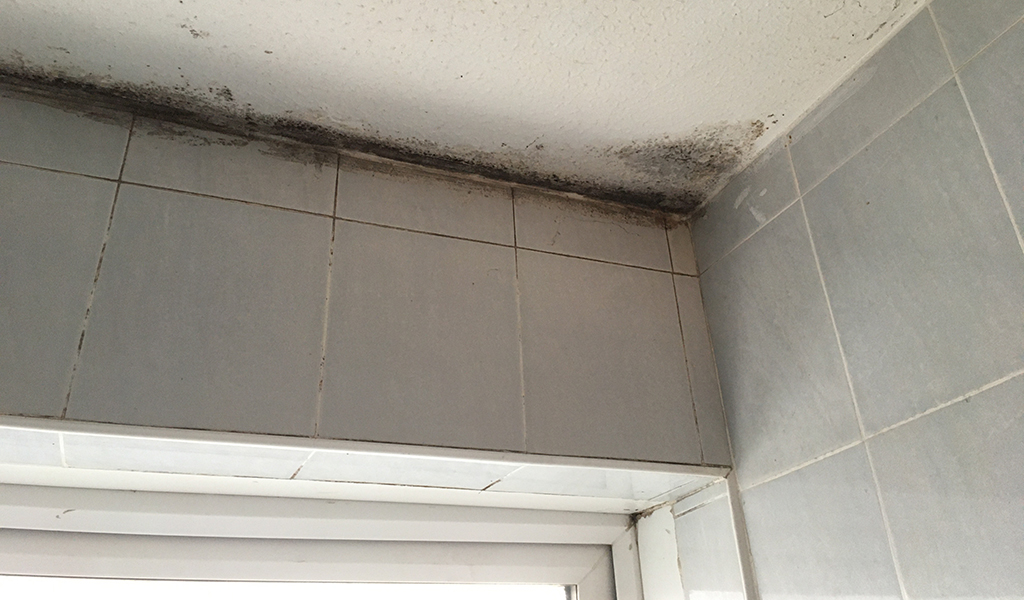
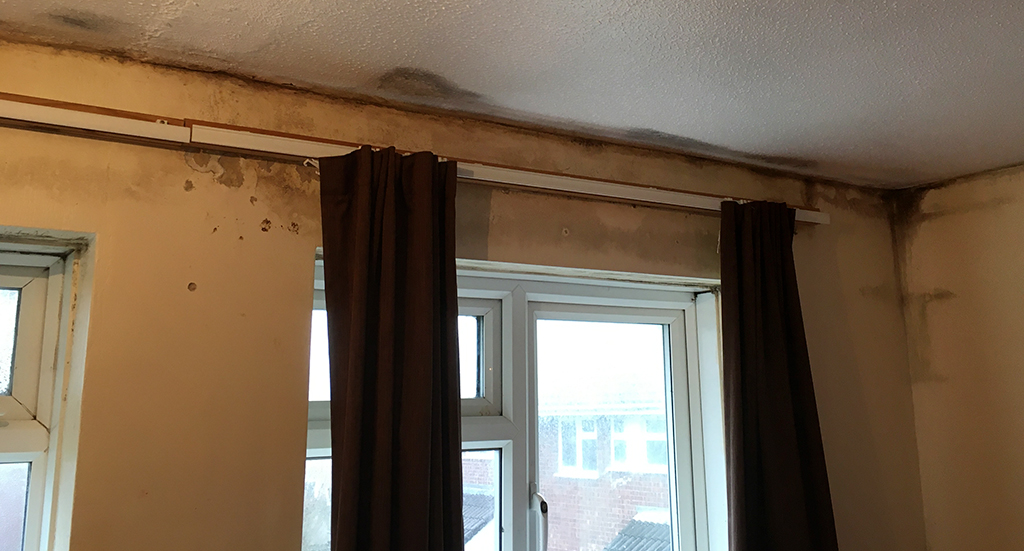
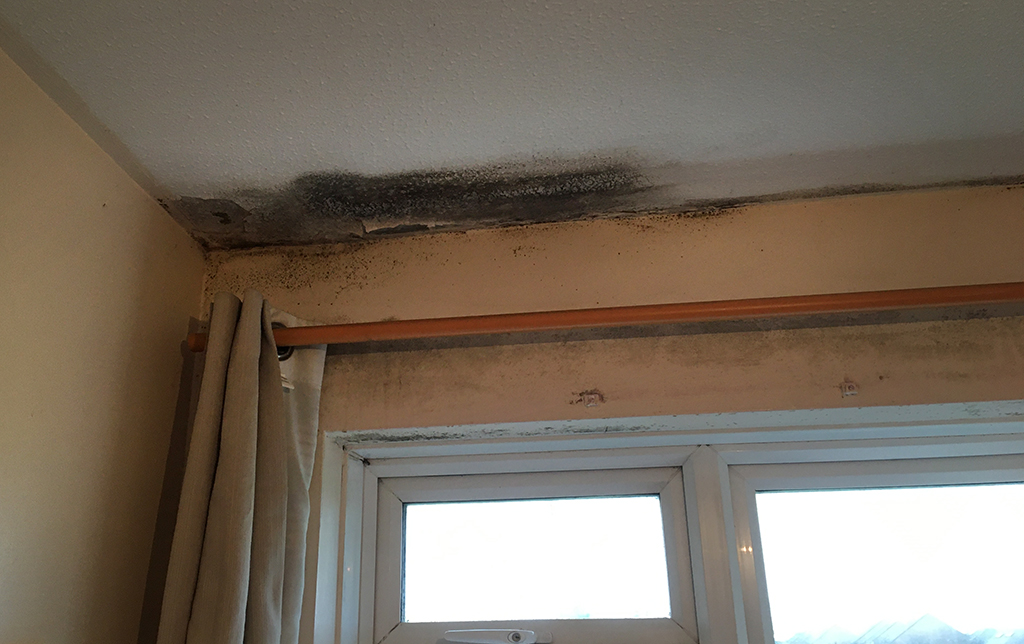
Where properties suffer from condensation, black spot mould forms on internal building fabric (see below photographs). Not only does this create aesthetic issues, but this can also cause damage to furniture and fabrics of a building. There can also be serious health implications, especially for people with respiratory conditions. Furthermore, studies have shown that black spot mould has been linked to mental health conditions such as depression and anxiety.
To combat condensation, heating levels should be consistently maintained, mechanical ventilation should be in place to bathrooms, kitchens, utility rooms, and proper precautions should be taken to remove excessive moisture vapour from the building such as regularly opening windows. Trickle ventilation on windows greatly increases the flow of air around the cold areas of a building, thereby mitigating the risk of condensation. We often find that properties suffering from condensation either do not include trickle vents on windows, or that these are kept closed by occupants.
We are finding more and more that condensation is being misdiagnosed as rising damp, often resulting in homeowners paying for unnecessary and disruptive rising damp treatment works. Therefore, it is important to ensure that trained and competent professionals are contacted if damp suspected problems arise.
Further details of this service can be found at Defect diagnosis & reporting. Alternatively, please contact our main office on 01273 821 969.