
Sussex Surveyors
  • About Us
    • Job Seeker
  • Buyer
    • Building Surveys (level 3)
    • HomeBuyer Report (level 2)
    • Major Defects Surveys
    • Schedule of Condition (Ingoing Tenant)
    • Valuations for Property Buyers
  • Owner
    • Valuations (Owner)
    • Lease extensions and enfranchisement matters
    • Defect diagnosis & reporting
    • Specifications of Works
    • Reinstatement calculations for buildings insurance
    • Party Wall
    • Commercial Property Energy Performance Certificates
    • Expert Witness
    • Planned Preventative Maintenance
    • Land Surveying
    • Quantity Surveying Services
  • Manager
    • Defect Diagnosis
    • Specifications of works
    • Reinstatement calculations for buildings insurance
    • Party Wall
    • Commercial Property Energy Performance Certificates
    • Expert witness
    • Planned Preventative Maintenance
    • Land Surveying Services
    • Quantity Surveying Services
  • Case Studies
    • Case Study – Party Wall
    • Case Study – Homebuyers Report
    • Case Study – Valuation
    • Case Study – Building Survey
    • Case Study – Lease Extensions
    • Case Study – Specification Of Works
    • Case Study – Defect Diagnosis
  • Blog
  • Contact Us
  • Get a free quote
Lintel Defects

Lintel Defects

By Luke Field

Lintels are horizontal structural elements that support loads above openings in a building. They are frequently used over windows and doors, both of which represent vulnerable points in a building’s structure.

The older types of lintels consist of timber and brick arches, whereas more modern construction uses pre-cast reinforced concrete and steel lintels. Each material can suffer from defects and failure. For example, timber can decay; steel can corrode; steel reinforcement within pre-cast concrete can also corrode, and this can result in cracking and spalling of the lintels.

You may find that certain low-rise buildings do not have lintels in place above openings. Where these were built with timber frame windows, this provides a certain degree of structural support to the masonry above. However, problems arise when these windows are replaced with modern uPVC which are non-loadbearing. As a consequence, the head of the window deflects over time, and the brickwork above the window may drop and crack.

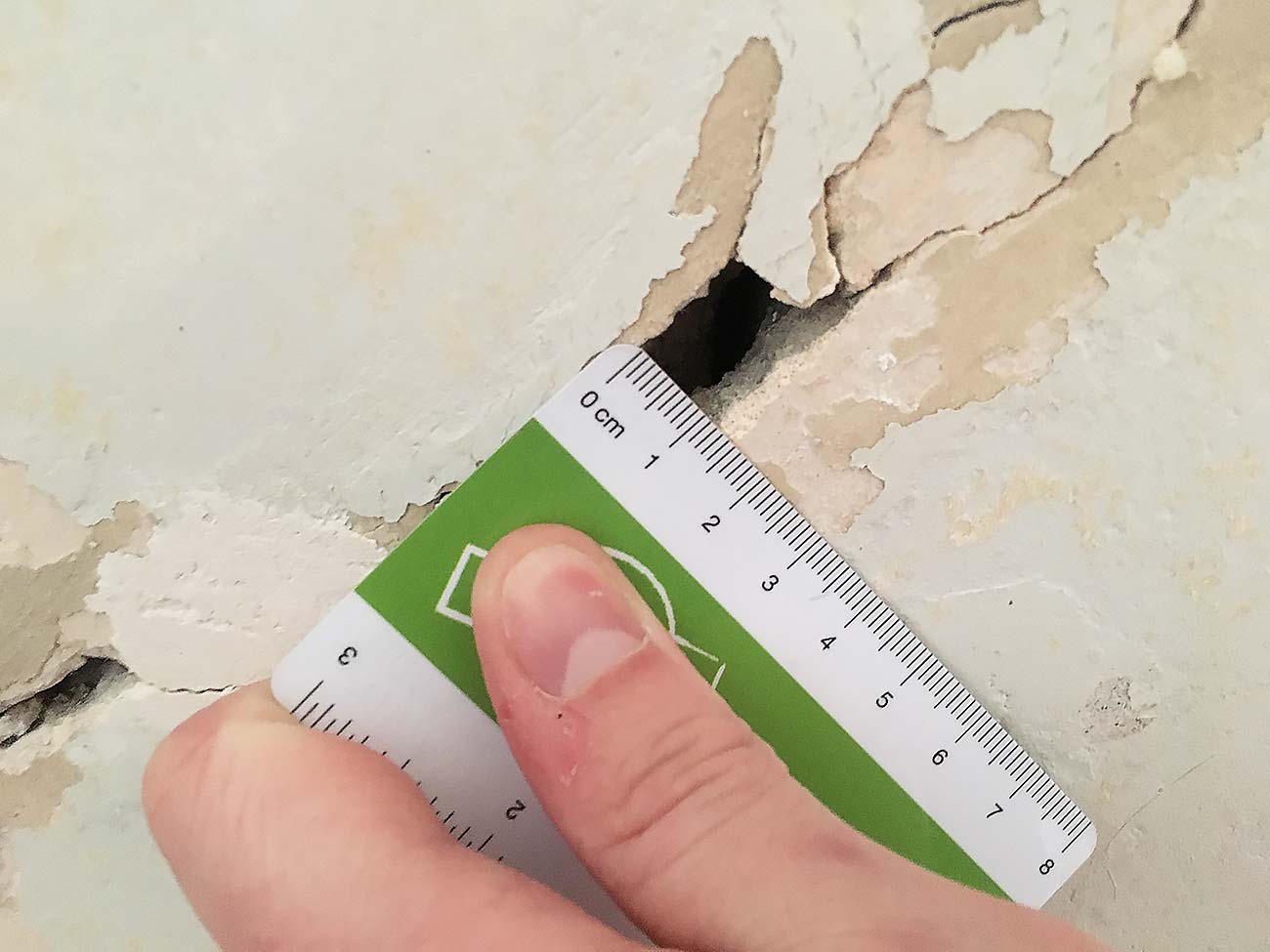
Typical signs of lintel defects include deflection/bowing to the head of windows or brickwork above; vertical cracking above windows; and stepped cracking through internal or external skins of masonry (above and below windows). Other signs to look out for include out of plumb window openings; cracked subsills; bulging walls; or doors and windows that stick when being opened or closed.
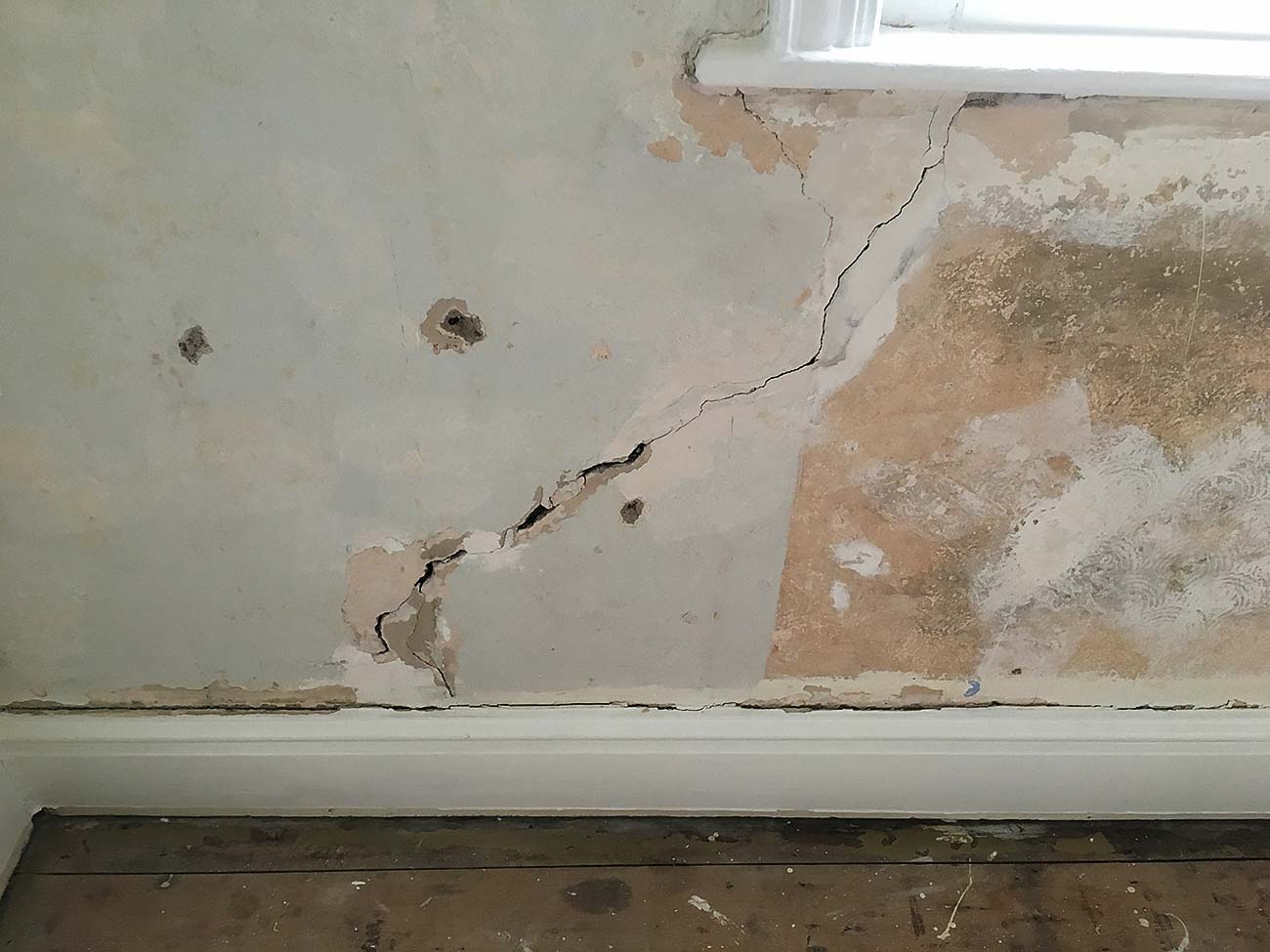
There are many different factors which can result in cracking to building fabric. As such, it is important to ensure the correct diagnosis so that suitable remedial works can be carried out.
Please contact us for further information on our services. Alternatively, please contact our head office on 01273 821 969.


CONTACT US

Related Posts

Damp Staining on Chimney Breasts: The Hidden Role of Salts in Plaster

Uncategorized

Damp Staining on Chimney Breasts: The Hidden Role of Salts in Plaster

Lease Extensions & Collective Enfranchisement: What Leaseholders Need to Know

Uncategorized

Lease Extensions & Collective Enfranchisement: What Leaseholders Need to Know

Planning a Home Extension? Essential Party Wall Advice for the New Year

Uncategorized

Planning a Home Extension? Essential Party Wall Advice for the New Year

Recent Posts

  • Damp Staining on Chimney Breasts: The Hidden Role of Salts in Plaster
  • Lease Extensions & Collective Enfranchisement: What Leaseholders Need to Know
  • Planning a Home Extension? Essential Party Wall Advice for the New Year
  • What Block Managers Really Need from Surveyors in 2026: Lessons from the Front Line
  • Lease Extensions: Why Acting Early Can Save You Thousands
Registered Office: 22 Carlton Terrace, Portslade, Brighton BN41 1XF
Registered in Cardiff: No. OC301558
©2026 Sussex Surveyors
01273 821969
info@sussexsurveyors.com
Terms and conditions | Privacy Policy
Site design: xHeight | Site build: Pleece & Co
By continuing to browse the site you are agreeing to our use of cookies.