
Selling an Older Property: What to Expect
Older properties can have enormous appeal. From period features and traditional construction to established locations and a sense of character that can be difficult to replicate in a newer home, they remain highly sought after by buyers across Sussex.
However, selling an older property can also bring additional considerations. Issues that may have developed over decades can be highlighted during a buyer’s survey, potentially leading to further questions, negotiations or requests for specialist advice.
Understanding what to expect before putting your property on the market can help you prepare and reduce the risk of unexpected issues delaying a sale.
Why Older Properties Require a Different Approach
Every property needs to be considered on its individual merits, but older buildings were often constructed using different materials and techniques from those used today.
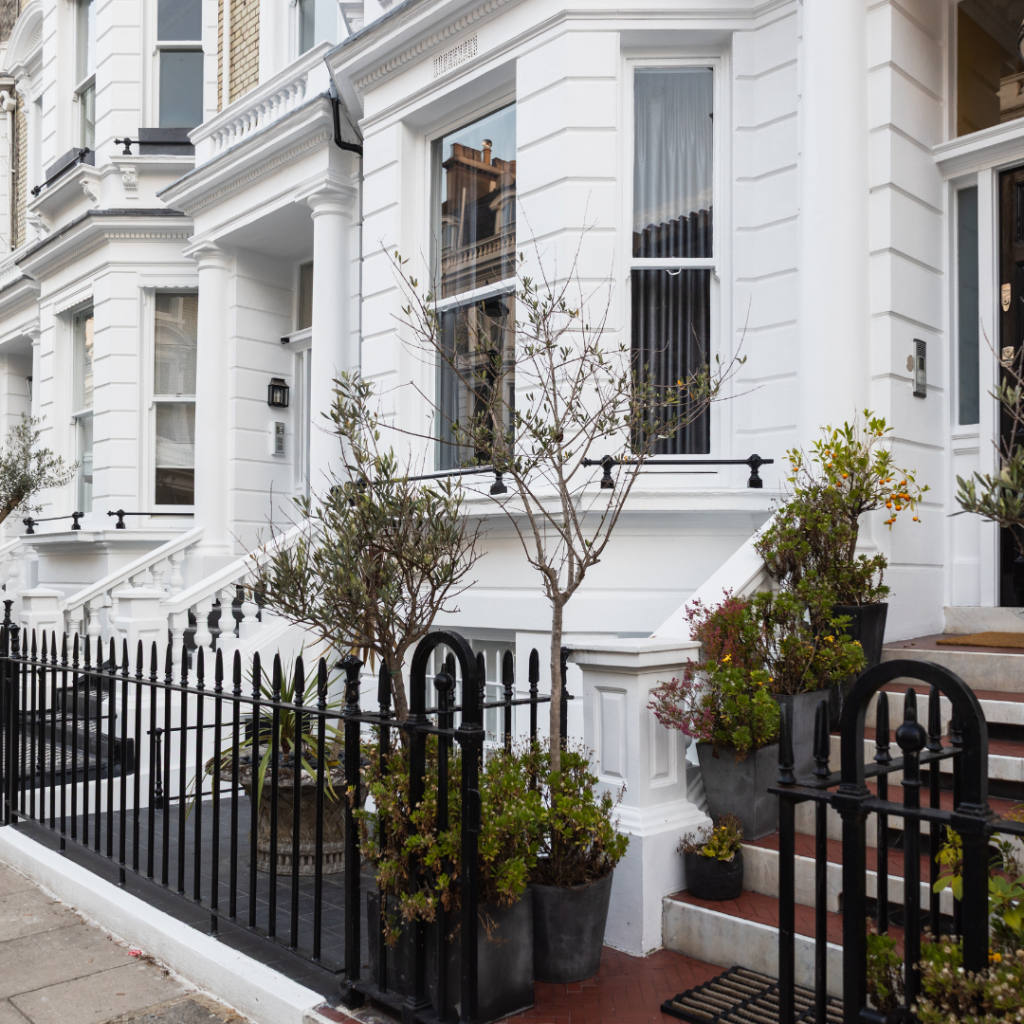
A Victorian or Edwardian house, for example, may have solid walls rather than a modern cavity wall construction. Traditional buildings may also have been designed to allow moisture to move through the structure differently from a modern home.
Problems can sometimes arise where modern materials or alterations have been introduced without taking the original construction into account.
This does not necessarily mean there is anything fundamentally wrong with the property. It simply means that its age, construction and condition need to be properly understood.
What Might a Buyer’s Survey Identify?
When purchasing an older property, buyers will often choose a more detailed survey to understand its condition and identify areas that may require maintenance, repair or further investigation.
Some of the issues commonly encountered in older properties include:
Damp and moisture – staining, high moisture readings or deterioration to finishes may require further investigation to establish the cause.
Cracking and movement – not every crack indicates a serious structural problem. A surveyor will consider its location, pattern and severity alongside the age and construction of the building.
Roofing and chimney defects – slipped or damaged tiles, ageing roof coverings, defective flashing and deteriorating chimney stacks are common maintenance considerations.
Older windows and doors – timber decay, failed seals or ageing glazing may be identified.
Previous alterations or extensions – buyers may want greater clarity around alterations and whether there is evidence of appropriate approvals.
Drainage and external defects – damaged gutters, downpipes or drainage can contribute to moisture-related problems.
General maintenance – older homes naturally require ongoing maintenance, and a survey may highlight areas that have reached the end of their expected serviceable life.
A survey is intended to give the buyer a clearer understanding of the property. It should distinguish between defects that require attention and characteristics that are simply associated with the building’s age and construction.
Will Survey Findings Affect the Sale?
They can.
A buyer may use the findings of their survey to ask questions, obtain quotations for repairs or, in some circumstances, renegotiate the purchase price.
This can be frustrating for a seller, particularly if an issue comes as a surprise late in the transaction.
Being aware of the condition of your property before it goes on the market can therefore be valuable. It gives you an opportunity to address straightforward maintenance issues, gather relevant documentation or simply be prepared to answer questions if they arise.
Should You Fix Everything Before Selling?
Not necessarily.
Trying to make an older property appear completely defect-free can be unrealistic, and carrying out unnecessary work may not provide a worthwhile return.
Instead, focus on sensible maintenance and obvious defects. Clearing blocked gutters, repairing a known leak or dealing with minor external maintenance can help prevent relatively small issues from appearing more significant during a survey.
It is also important to be cautious about quick cosmetic fixes. Simply covering signs of damp or cracking, for example, does not address the underlying cause and may raise further questions when discovered.
Where you are unsure about a defect, obtaining professional advice can help you understand whether action is needed.
Keep Information About the Property
If you have undertaken significant works to your home, having the relevant information available can make the selling process easier.
Depending on the work carried out, this could include planning documents, Building Regulations approvals, guarantees, warranties, invoices or reports from professionals.
If previous structural repairs, damp treatment, roofing work or alterations have been completed, documentation can help provide context and reassurance when questions arise.
Consider the Property From a Buyer’s Perspective
When you have lived in a property for many years, it is easy to become accustomed to its quirks. A buyer and their surveyor will be looking at it with fresh eyes.
That small crack you have barely noticed for ten years or the patch of staining from an old leak may naturally prompt questions.
This does not mean a sale will fall through. In many cases, buyers simply want to understand what they are purchasing and what maintenance they may need to budget for in the future.
Providing clear information and responding constructively to reasonable questions can help keep the transaction moving.
Professional Advice Before You Sell
If you own an older property and are concerned about its condition before putting it on the market, speaking to a Chartered Surveyor can provide greater clarity.
Understanding defects before a buyer’s survey takes place can help you decide whether repairs are appropriate, prepare for potential questions and approach the sale with greater confidence.
At Sussex Surveyors, we have extensive experience with older and period properties across Sussex. Our team understands traditional construction and can provide practical, independent advice based on the individual property.
If you are preparing to sell an older home and would like professional advice, get in touch with Sussex Surveyors.
Approachable. Independent. Knowledgeable.


